


Severe frostbite is a rare but serious condition
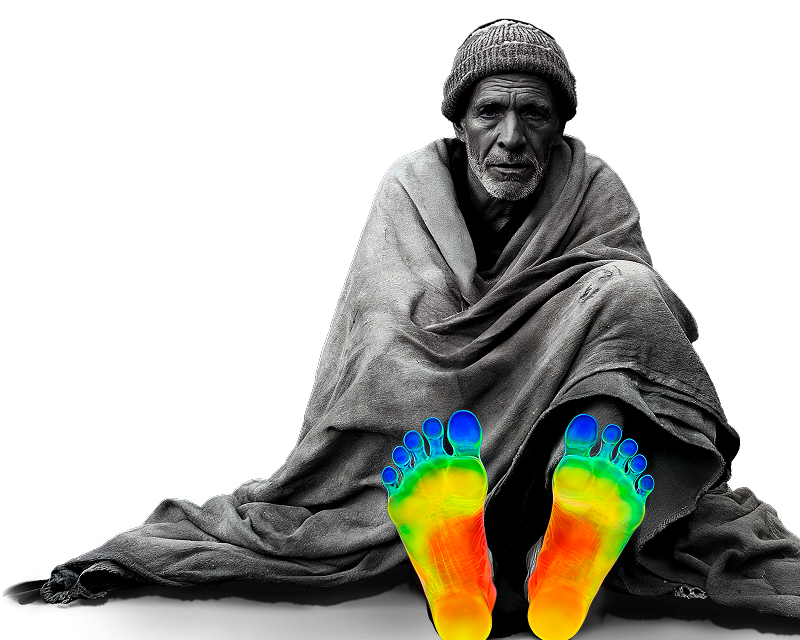
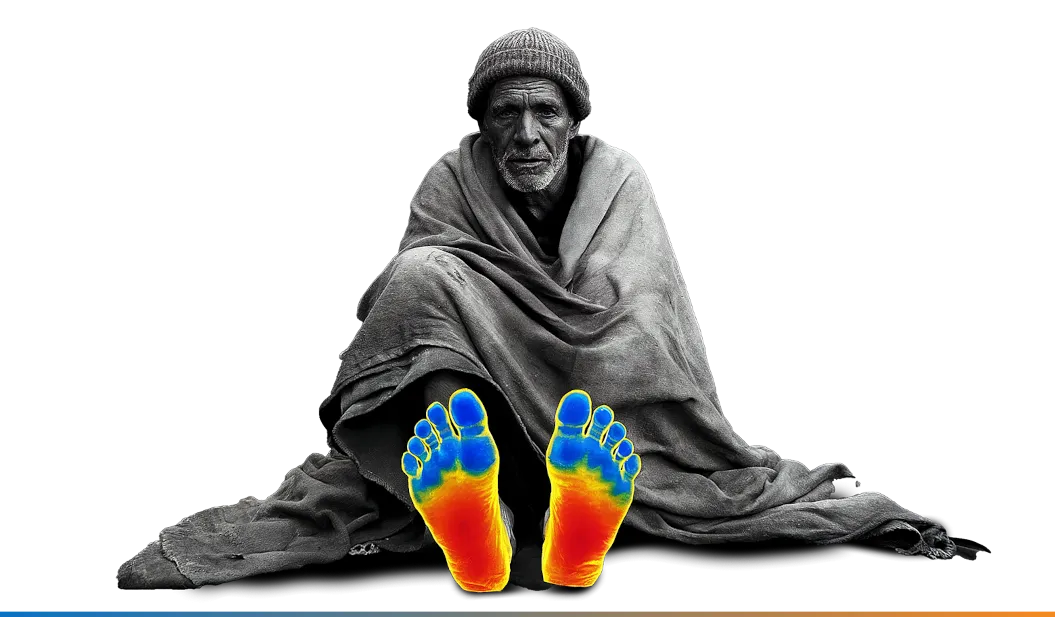
There are more than 1,000 cases of severe frostbite annually in the United States1

Frostbite occurs when the skin is exposed to freezing temperatures for a sustained amount of time2-4

Populations at risk include cold weather sports enthusiasts, industrial workers, the elderly, the unhoused populations, and military personnel3,4

Signs and symptoms include pale or waxy skin, numbness, blisters, extensive swelling, and gangrene, and the damage can extend to the tissues below the frostbitten skin5,6
Frostbite is a time-sensitive injury, but timely treatment isn’t always a reality
- Physicians and surgeons have indicated that those with severe frostbite often present 24 to 72 hours after rewarming7
While it's important to start any treatment as soon as possible, an extended treatment-initiation window could help more patients receive effective care, even when hours or days have passed since rewarming.8
Traditional management strategies may not adequately reduce the risk of amputation in patients with severe frostbite

Results from a meta-analysis showed that nearly one-third of severe frostbite cases required digit amputation after receiving prior treatment options (27/91).10
Historically, only 20% of emergency medicine physicians and surgeons reported being very or extremely satisfied with prior treatment options for severe frostbite.7
FDA=US Food and Drug Administration.
Digit amputation from severe frostbite can have far-reaching, lifelong consequences
- The loss of fingers and/or toes not only affects function and sensation but can negatively impact many areas of a patient’s life, including work, relationships, self-image, autonomy, and mental health11
- A person can require multiple amputations on their hands and feet due to severe frostbite, amplifying the gravity of impact12
- In a study of 47 patients with severe frostbite, 43 of the 252 affected digits (fingers and toes) had to be amputated
In a study of people who had undergone single-digit partial amputation13:
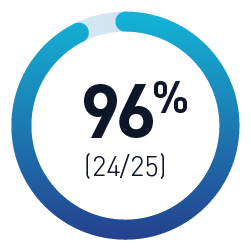
reported symptoms of depression, anxiety, anger, or post-traumatic stress for at least 3 months post-amputation
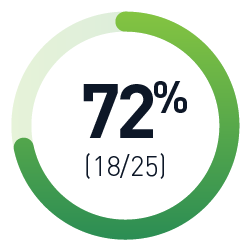
reported pain and symptoms of psychological disturbance 12 months post-amputation
- For those also struggling with mental illness, homelessness, and/or substance abuse, the implications are especially dire given they are already disadvantaged and may be lacking proper support systems1,7
Digit amputation also carries a significant financial burden to the patient and the healthcare system14,15

Patients often face high medical costs, not only for initial emergency care, but also for readmission for amputation and the procedure itself, as well as the hospital stay, potential follow-up, and rehabilitation14,15

The complications associated with amputation often lead to hospital readmission and an increase in cost14,15

Additionally, digit amputations often leave patients functionally limited, which can lead to an inability to work and subsequent loss of earnings16,17
When timely action is needed
Learn how you can reduce the risk of digit amputation for patients with severe frostbite.
INDICATIONS AND USAGE
AURLUMYN is a prostacyclin mimetic indicated for the treatment of severe frostbite in adults to reduce the risk of digit amputations. Effectiveness was established in young, healthy adults who suffered frostbite at high altitudes.
IMPORTANT SAFETY INFORMATION
Warnings and Precautions
AURLUMYN may cause symptomatic hypotension. Correct hypotension prior to administration of AURLUMYN. Monitor vital signs while administering AURLUMYN.
Adverse Reactions
Adverse events reported with the use of intravenous (IV) iloprost in patients with frostbite include headache, flushing, palpitations/tachycardia, nausea, vomiting, dizziness, and hypotension.
Use in Specific Populations
- Advise women not to breastfeed during treatment with AURLUMYN.
- The safety and efficacy of AURLUMYN in pediatric patients have not been established.
- Dosage adjustment is recommended in patients with moderate or severe hepatic impairment.
- In patients with eGFR <30 mL/min, dosage adjustment can be considered based on tolerability. The effect of dialysis on the clearance of AURLUMYN has not been evaluated.
To report suspected adverse reactions, contact BTG at 1-877-377-3784 or FDA at 1-800-FDA-1088 or www.fda.gov/medwatch.
Please see full Prescribing Information.
- Endorf FW, Nygaard RM. Social determinants of poor outcomes following frostbite injury: a study of the national inpatient sample. J Burn Care Res. 2021;42(6):1261-1265.
- Fudge J. Exercise in the cold: preventing and managing hypothermia and frostbite injury. Sports Health. 2016;8(2):133-139.
- Handford C, Buxton P, Russell K, et al. Frostbite: a practical approach to hospital management. Extrem Physiol Med. 2014;3:7.
- Cauchy E, Chetaille E, Marchand V, Marsigny B. Retrospective study of 70 cases of severe frostbite lesions: a proposed new classification scheme. Wilderness Environ Med. 2001;12(4):248-255.
- Torpy JM, Lynm C, Golub RM. Frostbite. JAMA. 2011;306(23):2633.
- Patel NN, Patel DN. Frostbite. Am J Med. 2008;121(9):765-766.
- Data on File. December 2024. SERB Pharmaceuticals.
- McIntosh SE, Freer L, Grissom CK, et al. Wilderness Medical Society Clinical Practice Guidelines for the Prevention and Treatment of Frostbite: 2024 Update. Wilderness Environ Med. 2024;35(2):183-197.
- Sheridan RL, Goverman JM, Walker TG. Diagnosis and treatment of frostbite. N Engl J Med. 2022;386(23):2213-2220.
- Regli IB, Oberhammer R, Zafren K, Brugger H, Strapazzon G. Frostbite treatment: a systematic review with meta-analyses. Scand J Trauma Resusc Emerg Med. 2023;31(1):96.
- Emotional and psychological reactions to ampuation. https://www.physio-pedia.com/
Emotional_and_Psychological_Reactions_to_Amputation. Accessed August 4, 2025. - Cauchy E, Cheguillaume B, Chetaille E. A controlled trial of a prostacyclin and rt-PA in the treatment of severe frostbite. N Engl J Med. 2011;364(2):189-190; Cheguillaume B. Controlled trial of iloprost and iloprost and rt-PA in the treatment of severe frostbite. Doctoral thesis. Grenoble School of Medicine; 2011.
- Skoff H, Skoff H. The psychological and somatic consequences of digital amputation. Plast Reconstr Surg Glob Open. 2022;10(6):e4387.
- Wu Y, Duff E. Management of frostbite injury in primary care. J Nurs Pract. 2024;20(2):104897.
- Nygaard RM, Endorf FW. Frostbite vs burns: increased cost of care and use of hospital resources. J Burn Care Res. 2018;39(5):676-679.
- Chung KC, Yoon AP, Malay S, Shauver MJ, Wang L, Kaur S; FRANCHISE Group. Patient-reported and functional outcomes after revision amputation and replantation of digit amputations: the FRANCHISE multicenter international retrospective cohort study. JAMA Surg. 2019;154(7):637-646.
- Treger D, Weinerman J, Cai N, Syros A, Minaie A, Dodds SD. Return-to-work after attempted digit replantation: a systematic review of 31 studies. Hand (N Y). 2024;15589447241279445.